
This month we catch up with Tim Banker, DVM, FAVD, who served on the VHMA Board of Directors in the early 1990s.
|
Dr. Banker is a pioneer in veterinary dentistry and has been actively involved in the study and implementation of practice management, marketing, leadership, and cutting-edge personal development. At the beginning of 2021, Tim was diagnosed with Stage 4 metastatic melanoma and has taken an emergency leave from Sedgefield Animal Hospital and Dental Center to address his medical issues.
We thank Tim for chronicling industry and association events and sharing his keen insights. His walk down memory lane offers a detailed account of key events and developments in the association and the field.
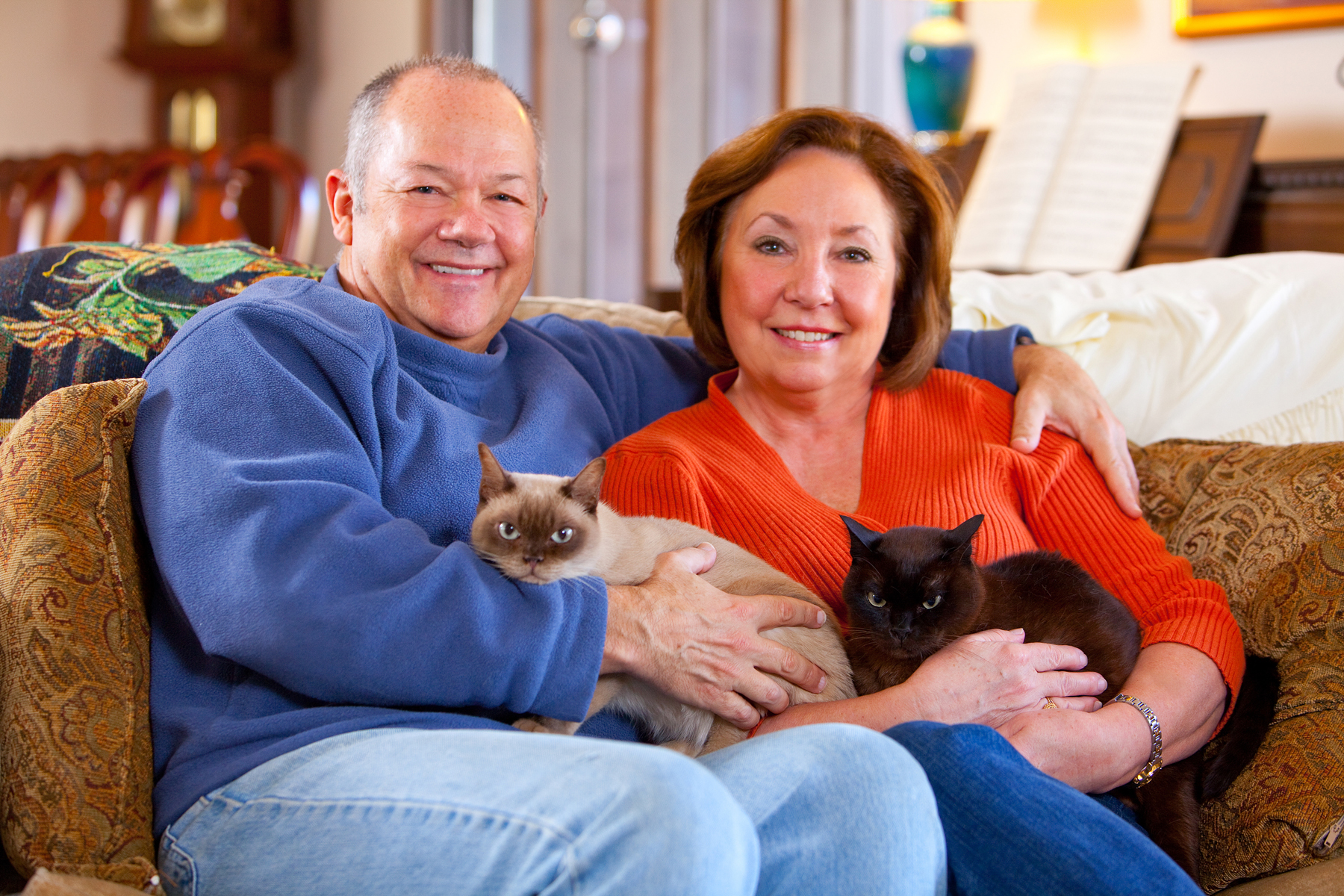
Question: As a veterinarian, what were the factors that led you to VHMA?
Tim Banker (TB): In 1980 I found myself ‘burnt out.” That was the day of 24x7x365 practice where you covered your own emergencies and hospitalized your own patients---the workload was high-volume and never-ending. I was working hard, but the practice had little profit to show for it. Therefore, I was motivated to explore strategies that would help me manage my practice more effectively.
There was little veterinary practice management-specific education and very few books and seminars that covered the subject. I found that I had to create my own curriculum and travel a lot to find seminars and workshops on the topic.
My first seminar was in Phoenix, AZ, a meeting that attracted few participants. Yet, it was there that I met Dr. Curt May who had been studying and working on sales and marketing for the veterinary practice, as well as personal development. He introduced me to the importance of networking and seeking out ‘like-minded’ individuals. I also began to investigate management and leadership education outside of the veterinary profession.
In early 1980, AAHA and Veterinary Economics were the main sources of practice management education. The few practice management consultants in the field would speak at these conferences. Dr. May and I become involved in a conversation with Mark Opperman, Owen McCafferty, and Dr. Phil Farber. A program was created called Our Personal Best. We promoted the program ourselves and covered different topics. Curt and I talked about marketing and communications, Mark (who was still a practice manager at the time) spoke on management and management systems, Owen spoke on finances, and Phil--- a pioneer in the field of computerization---spoke on how to computerize the systems of a practice.
The initial conversation that created the VHMA occurred at a Veterinary Economics Conference in Dallas, TX. For some reason, I did not attend the meeting. But, when I found out about the VHMA, I immediately joined. I saw it as an opportunity to network, learn and grow.
When I joined VHMA 28 years ago, it was a different world. Practices were smaller---a 4-6 veterinarian practice was considered large! In the early 1990s, most practices had not yet fully harnessed the power of technology to increase patient communication, improve diagnostic potential, and integrate business functionality. And, in many cases, practices were still being managed by the owner/veterinarian and the veterinarian’s spouse. Often, neither had practice management training.
Today’s veterinary practice environment has changed radically. Managers are often employed in large practices due to the trend toward veterinary corporatization. The practice manager profession has come a long way---managers lead the practice, are well-trained, and are given a high level of responsibility. Finally, growing recognition of the benefits of the human-animal bond has increased the value of veterinary services and how the client perceives the office experience. These developments have increased the demand for highly qualified, competent managers who are well-equipped to address of business, technological, and human resource issues.
What were the early days of VHMA like?
TB:VHMA provided an excellent educational experience. Earlier interviewees have underscored the benefits of the annual meeting, networking, roundtable discussions, and the forms bank. The VHMA newsletter helped us share ideas.
Personally, I expanded networking by doing visitations to the practices of some of the participants to see first-hand how they were being run and to collect even more ideas.
VHMA grew and grew with this format during the 1980s and long-term relationships were developed amongst many of its members.
Who were the early members?
TB: In the 1980’s many of the members and participants were veterinarians and practice owners. A good number were "player-coaches" like me who both practiced and managed the practice. Very few had a practice manager on staff.
During the 1980s, the position of practice manager started to be developed, but it was usually a team member who was promoted to the position. Through VHMA the requirements and content of the position were formalized and expanded.
What were the big issues being addressed while you were on the Board?
TB: It was in the 1990s that the board knew that for VHMA to grow and thrive, it needed to develop into a more formal association. While I was on the board of directors, we started to move things in that direction. This foundational shift transformed the VHMA from Mark’s organization to a true association. In the early days, VHMA and Mark’s consulting business were intertwined. The transition needed to occur for VHMA to grow and thrive and, at the same time, for Mark’s firm to do the same.
We also realized the need for qualified practice managers in veterinary practices. That led to the development of the CVPM program.
Although the group was diverse, I learned a long time ago that as much as we all think that we are different, we all deal with the same issues. On the board, we were aligned on the outcome of what we were trying to accomplish. At times, our points of view differed on the strategies we should employ, we kept our minds opened and collaborated on how best to achieve desired outcomes.
You were on the leading edge of two emerging specializations, how did you manage your time?
TB: While participating in VHMA and serving on the Board of Directors in the 1980s and 1990s, I was busy running my practice, learning, and growing in the area of management, and speaking on the topics of marketing, communications, leadership, team building, and client service. It was also the genesis of Veterinary Dentistry and I was involved in these two emerging areas.
You can get a sense of how I was being pulled in multiple directions. More and more, I was being asked to speak on practice management and veterinary dentistry topics. There was also a pull to participate in different ways in VHMA. I was a solo practitioner in a busy practice, and I continued to manage my practice. I also had a growing family.
I reached a point where I had to start saying no. I decided to step back from speaking on management topics and put my efforts into my practice while continuing to speak on veterinary dentistry and diving into coaching. I also hired a veterinary practice manager to run the practice.
Are you still involved with VHMA?
TB: I think there is a time and place for everything. One day you are the leader and then you become the follower---you cannot be all things for all people. In the early days, I had the opportunity to be the mentor for others in both practice management and veterinary dentistry. Today, if I need help from a CVPM I call Pam Stevenson. If I need help from an AVDC member, I call John Lewis. I had the opportunity to mentor them earlier in their careers. I call this process reverse mentoring.
What do you see as a key issue in VHMA’s future?
TB: For 34 years, I have been involved in the study of coaching. A few years ago, I spoke with Christine Shupe about how I might become involved in bringing that knowledge into VHMA. Because I was so busy in my practice, I was never able to make it happen. I did, however, work with former VHMA President Peter Ainslie as a coach for his practice for seven years.
What I believe personally is that mastering the care of our inner selves affects our ability to care for ourselves, patients, and loved ones. It is the answer to many of the challenges that we face. When we shift our thinking and are ready to change in the face of challenges, magic happens, including phenomenal results in the practice and improved health and well-being.
From an experienced leader to aspiring leaders …what advice would you offer VHMA members considering taking on leadership positions?
TB: I think that any time one steps into a leadership position it is an opportunity for growth because it requires stepping out of a comfort zone, which is a necessary part of growing. The discomfort is part of the process. It is also necessary for evolving and envisioning yourself as a leader. The only way one can learn leadership is by the action of leading. Otherwise, it is only a concept that you read about in books.
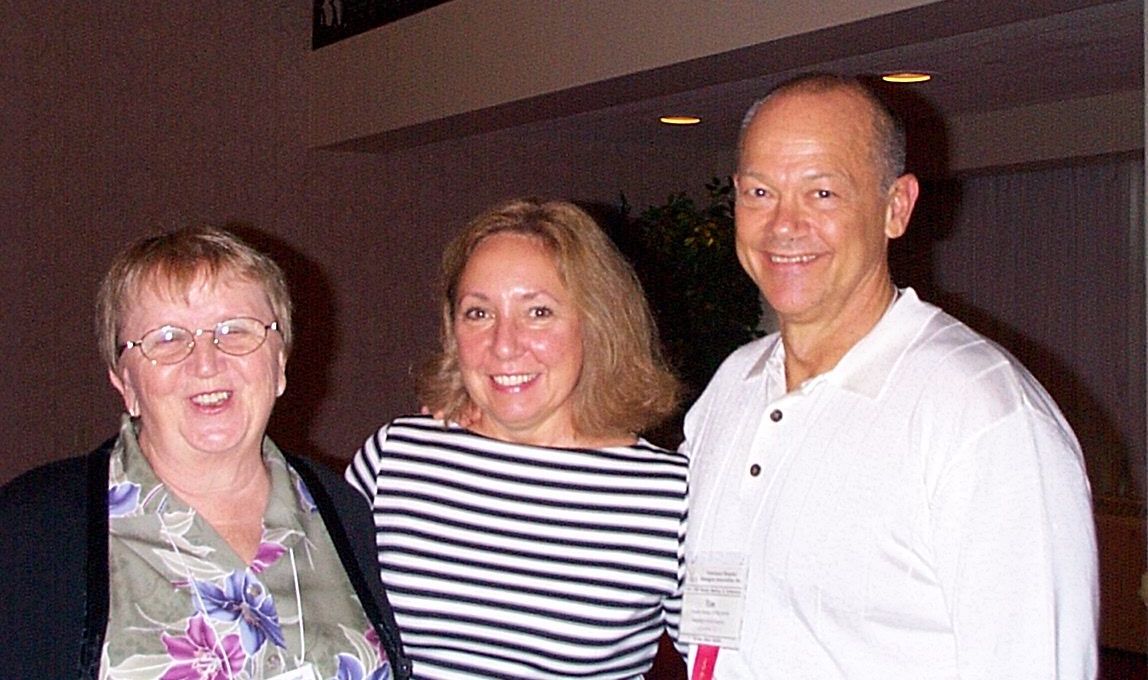
Fill in the blanks…
VHMA's greatest asset: Members because they network, share, learn and grow together and leaders because they teach, mentor, connect, and set examples for success.
One word to describe the association's first decade: Camaraderie!
More than a few eyebrows were raised when: The CVPM started and the VHMA grew.
My fondest VHMA memory: When I spoke on Becoming a Flexible Leader at the meeting in New Orleans. As a perfectionist who wanted to do a great job, I stayed in the room on Saturday evening to review the next day’s presentation. My wife Mary, Nancy Lickey, and Owen went out partying in the French Quarter. Mary had such a great time and was so affected by the Hurricanes that they consumed that she missed my presentation the next morning.
It is just one example of how fun and socializing are integral to being a VHMA member. Again, we formed life-long friendships.
Would you like to add anything?
It has been a great walk 'down memory lane to see all of the pictures of Owen, Phyllis, Mark, Ralph, Roger, Marty, Gerry, Peter, Jim, and many more familiar faces that were featured in previous posts. We created so many great memories together!!
#practicepulse
-
#practicepulse
#memberannouncement
#practicepulse